
Dark Academia: The Interior Design Aesthetic
A complete guide to the dark academia aesthetic in interior design, covering its history, deep color palettes, luxurious materials, signature patterns, and rich textures found throughout these moody, scholarly homes.

Dark academia has become one of the most searched interior design aesthetics of the past several years. For a lot of people, the image that comes to mind first is gothic: dark stone, candlelight, an old library pulled straight from a gothic novel. Dark academia and gothic style do share real history. Both draw on nineteenth century European romanticism and Gothic Revival architecture, the pointed arches, leaded windows, and heavily paneled interiors found throughout old European universities and country manors, the kind of buildings that were designed to make a person feel small in the best possible way.
The two styles pulled apart from there. Gothic leans fully into drama and scale, with a cathedral like intensity built for spectacle more than daily use, all soaring proportions and heavy stone detail.
Dark academia kept the same architectural bones, the arches, the paneling, the weight of old wood, and traded the drama for comfort. These are rooms built to be read in, worked in, lived in, not just admired from the doorway.
The specific name and shape of dark academia as its own style came later than its architectural roots, taking hold online in the mid 2010s among readers drawn to classic literature and the mood of old libraries and lamplit studies. Harry Potter's Hogwarts, with its own candlelit libraries and common rooms, became a widely shared reference point during that same rise, giving a huge number of people a single, vivid image to point to when they described the mood they wanted. The look has grown steadily since, moving off mood boards and into real homes, no longer confined to a single film franchise or a corner of the internet.
What follows covers the color palette and materials that define the look, the patterns and textiles that carry its personality, and the key characteristics that make a room read as dark academia, along with how each one comes together in a real space, kitchens and bathrooms included.
Spend enough time with these rooms and a handful of signatures start to surface, whatever the space. Deep, saturated wall color. A gallery wall built from gilded, mismatched frames. Antiques and collected objects, gathered slowly over time. Brass, velvet, and leather, layered together in the same room. Underneath nearly all of it sits real architectural bones: built in bookcases, paneled walls, crown and trim detail, window seats and banquettes built directly into the room.
This bar and lounge setup leans fully into that more theatrical, gothic end of the spectrum. A full pointed arch window anchors the room, its wood tracery doing the same work a cathedral window does elsewhere, drawing the eye upward and giving the space a scale. Deep tufted leather seating and brass fixtures throughout are joined by carved wood detailing and fluted paneling, other signatures of the aesthetic that we see repeated throughout this design aesthetic.
The same mood scales down easily, and the smaller vignette here shows exactly how. A few crystal decanters and a matching set of glasses, gathered together on a bookshelf, a console table, or a single bar cart, offer a manageable, easy way to bring the idea into a home without touching a single wall or piece of architecture.


Shop The Look
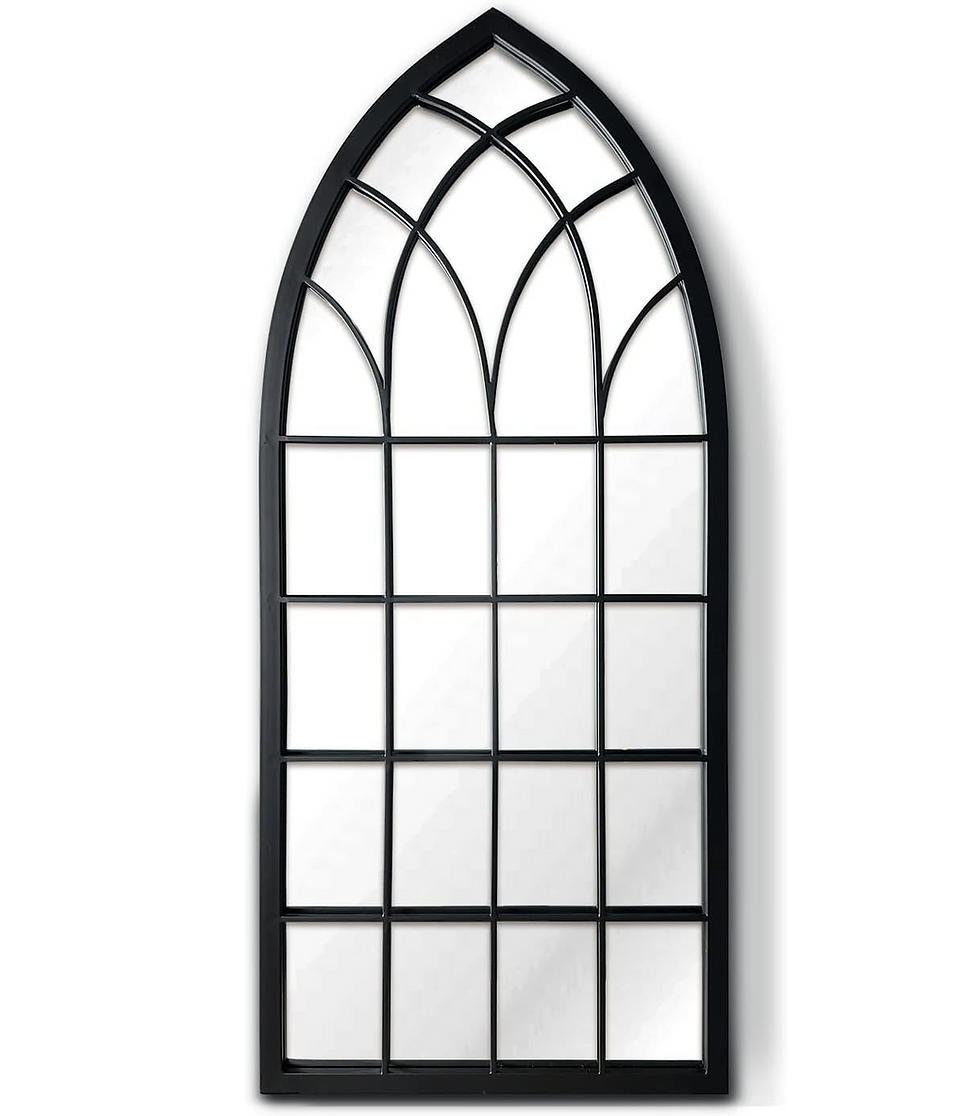


Key Characteristics of Dark Academia Interior Design
Dark academia sits somewhere between two very different characters. There's the Harry Potter side, all candlelight and old libraries and a hushed, scholarly quiet. There's also an Indiana Jones side just as present in the look, a sense of adventure and worldliness, a rolled map in the corner, a globe on a shelf, objects that look like they were picked up somewhere far away rather than ordered online. A room that leans only toward the quiet, studious half can start to feel a little static. Bringing in some of that explorer's energy, through the objects chosen and how they're displayed, is often what keeps a space feeling alive rather than staged.
With that in mind, a handful of specific characteristics show up across nearly every genuine example of the aesthetic.
Color leads the list. Deep, saturated wall color, in shades like oxblood, forest green, navy, or charcoal, sets the tone before anything else in a space even gets considered. These colors typically extend past the walls into trim, ceilings, and built in cabinetry, which is part of what gives a dark academia space its enveloping quality rather than a flat, single accent wall.

Material comes next, and it carries nearly as much weight as color. Leather, velvet, aged brass, and dark stained or carved wood do most of the visual work here. A leather chair, a velvet cushion, a brass lamp, and a wood paneled wall, layered together, build the texture this look depends on.
History, or the appearance of it, is the third piece. Antique and vintage furniture, worn book spines, and objects that look gathered over years rather than purchased as a matched set all support the sense that a space has a story behind it. This is where the Indiana Jones quality comes back in. Globes, maps, and travel worn objects give a space a sense of having been somewhere, a feeling that pairs naturally with the quieter, book lined scholarliness most people reach for first.
Lighting deserves its own mention, since it's easy to get the color and materials right and still have a space fall flat under the wrong light. Warm, low light sources, picture lights, lamps with fabric shades, candles, support the mood in a way a single bright overhead fixture cannot.
Most dark academia spaces avoid overhead lighting almost entirely in favor of several smaller, warmer sources placed around the room.
Finally, there's a layered, collected feeling that ties all of this together. A few different wood tones, some older furniture mixed with newer pieces, and objects that look gathered one at a time rather than bought all at once from a single collection, read as far more convincing than a perfectly matched set. Bringing this look into a home rarely means buying everything at once. It means choosing pieces gradually, in the colors and materials above, and letting them accumulate the way a real, well lived in space does over time.
Interior Architecture and Millwork
Colors and décor often get most of the attention in the dark academia aesthetic, but the real backbone is actually architectural. Built-in bookcases, paneled walls, wainscoting, heavy trim and molding and even coffered ceilings, are what give a room its weight and sense of history before a single piece of furniture goes in.

Bookcases are the most obvious example, and they'll come up again throughout this piece, in a full library, scaled down into a single niche, and built around a reading nook. Paneled walls add depth and shadow that flat drywall can't match. Wainscoting, a picture rail, and substantial crown molding do similar work along the walls, breaking up a plain surface and giving a room the layered, considered look this style depends on. Even a coffered or beamed ceiling can really make the space feel dynamic and enveloping.
An archway or other defined opening between rooms carries that same architectural language even further. The library pictured here uses one to connect straight through to a dining room beyond it, and that connection makes the whole home read as one continuous, considered space rather than a single styled room surrounded by ordinary ones.
Getting details like these right, the right molding profile, the right scale of paneling for a given ceiling height, the proportions of an archway, is exactly the kind of thing we at Cley Atelier specialize in. It's less about picking a look off a mood board and more about translating it correctly into a custom design for your unique space.
Layering Pattern and Material for Depth
Then there are the colors and materials. Color sets the mood, but pattern and material are what keep a room from feeling flat once that color goes on the wall. A single saturated wall color, on its own, can start to read as a paint choice rather than a fully realized space. Bringing in pattern and a mix of materials is what turns that color into something with actual depth.

Damask is one of the patterns most associated with this look, and for good reason. Its scrollwork and floral motifs read as old world and formal without tipping into anything overly delicate, which suits a style built around weight and history.
Damask holds up just as well used in full force as it does in a single small dose. A wallcovering carried across every wall, and even up onto the ceiling, keeps the pattern from reading as a single decorative moment and instead lets it become the entire atmosphere of the room, which is exactly the effect in the plum toned lounge pictured here.
Paisley carries just as much history, though a different kind. The motif originated in Persia and India long before Europe ever saw it, arriving through Kashmir shawls in the 1700s and reproduced soon after by Scottish weavers in the town that eventually gave the pattern its name. That production boom lined up closely with the same Victorian era that shaped dark academia's architecture, which is part of why paisley still sits so naturally alongside tweed and houndstooth in a more British leaning take on the look.
Material contrast does just as much work as pattern, and it's often the piece that gets overlooked. Velvet against a matte painted wall, brass against blackened iron, a smooth glass surface next to carved wood, all of these pairings create the kind of visual interest that keeps a monochromatic or deeply colored room from feeling one note. The goal isn't to add more colors into the mix. It's to vary the surface and finish of what's already there, so light catches differently across a single room depending on where it lands.
The eggplant toned reading lounge pictured here shows exactly this kind of layering at work. The damask wallcovering sets a deep patterned base across every wall, and rather than matching the furnishings to it, the room brings in green as a contrast and soft mauve as a complement, with brass and glass detailing adding a further layer of material contrast on top of the color work already happening.
Shop The Look



The Gallery Wall
A curated gallery wall is one of the most recognizable signatures of this style, enough that it deserves its own dedicated approach rather than being treated as an afterthought once the furniture is in place. Classic, artwork does the most work here. Oil style landscapes, portraits, and still life prints all fit naturally, especially compared to modern graphic prints or photography, which tend to feel out of place against the rest of the aesthetic.
Framing is just as important as the artwork itself. Chunky, gilded frames, particularly ones with some age or patina to them, read as far more authentic than a clean, new frame straight from a big box store. Secondhand shops and estate sales are often better sources for this kind of framing than art retailers, since the goal is a frame that looks like it has been on a wall for decades already.

Mixing frame sizes and finishes across the wall, rather than using one uniform frame style throughout, keeps the arrangement from feeling too matched. A few unexpected shapes work well too. An oval mirror tucked among rectangular frames, or a single ornate frame noticeably larger than the rest, adds the kind of variation that makes a gallery wall feel gathered over time rather than installed in a single afternoon.
A gallery wall like this reads best against a solid, saturated wall color rather than a patterned wallcovering, since the frames are already carrying a lot of visual interest on their own. Planning the arrangement on the floor before hanging anything, and leaving slightly uneven gaps between frames rather than a rigid grid, both help the final result feel intentional rather than overly formal.
Shop The Look


Dark, Moody Wall Colors
Black and near black tones are often the first colors that come to mind with this aesthetic, but dark academia actually draws from a wider range of deep, saturated hues, and choosing among them usually comes down to the room itself rather than a single universal answer. Forest and hunter greens bring an earthy, library like quality into a space and tend to photograph beautifully alongside brass hardware and leather furniture. Navy and charcoal feel a touch more restrained and work well in rooms meant to feel calm rather than dramatic, such as a bedroom or a quiet reading corner. Oxblood and burgundy lean warmer and richer still, and they tend to suit more social spaces like a living room or home bar, where a slightly bolder color supports conversation and entertaining rather than quiet solitude.
Natural light plays a bigger role in this design decision than many people expect going in. A north facing room with limited direct sun can make a deep green read as nearly black, while the same color in a south facing room

with plenty of natural light will stay clearly identifiable as green throughout the day. It's worth testing a large sample swatch on the actual wall in question, at different times of day, before committing to a full room in any of these colors, since the difference between a paint chip and a fully painted wall can be significant with colors this saturated.
Shop The Look
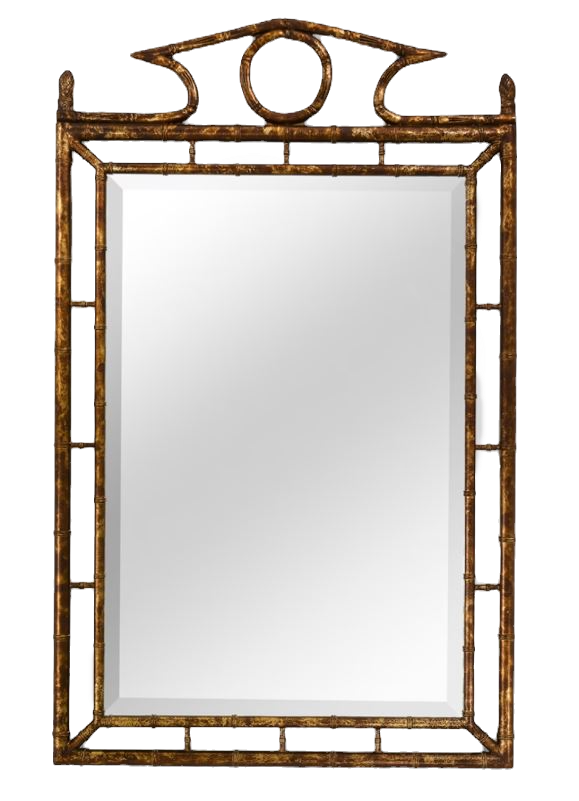


Color Drenching for Dark Academia Spaces
What exactly is color drenching? At its simplest, it's the decision to let one color take over a room completely, walls, trim, ceiling, sometimes the built ins and furnishings too, so nothing is competing with anything else. No white ceiling breaking up the top of the room. No bright trim tracing every doorway. Just one continuous, saturated moment.

I've been reaching for this technique more and more over the past couple of years, and it works just as beautifully turned down low as it does turned all the way up. But when it does turn all the way up, in an oxblood, a deep forest green, a charcoal, or a warm espresso brown, it becomes one of the fastest ways to bring the full weight of dark academia into a room. Drench a space in that kind of color and the walls stop acting like a backdrop. They become the atmosphere.
The living room pictured here shows the effect committed to fully. The walls, trim, and ceiling all carry the same oxblood tone, and the sofa and area rug pick up that same color rather than contrasting against it. What keeps a room like this from feeling flat is material and texture doing the work color alone can't. Tufted leather against a flat painted wall, a densely patterned rug against a smooth sofa, gilded picture frames against matte trim. The color unifies the room, and the material contrast is what gives it depth.
Shop The Look


Old English Manor & Mixing Patterns: Plaid, Houndstooth, Herringbone and More
Another variation of dark academia leans fully into old English manor style, the kind of look built around ancestral country homes and family tartan passed down rather than bought new. It calls back to the same academic world already running through this piece, the university towns of Oxford, Cambridge, and Edinburgh, where tweed and plaid were as much a part of daily student life as the libraries themselves.

Houndstooth, herringbone, and plaid all descend from the same source, Scottish wool tweed, originally woven for warmth rather than style. Fashion and textiles caught up with the fabric through the nineteenth century, as British country estates began commissioning their own woven patterns, largely for hunting parties, and those same textiles eventually worked their way into everyday tailoring and, from there, into the homes themselves.
That country estate history shows up in the objects as much as the fabric. Brass cornered campaign furniture, originally built for British officers to pack up and move between postings, fits naturally into this variation, as does a leather club chair worn down to a soft patina, or a set of riding boots and a walking stick left by the door rather than tucked out of sight. None of it needs to be literal or costume like. A single well chosen piece, a campaign style trunk used as a coffee table, or a vintage hunting horn displayed on a shelf, carries the reference without turning a room into a period set.
The bedroom pictured here pulls these threads together. Plaid bedding and pillows sit against a deep olive, paneled wall, a tufted leather bench and headboard bring in the same worn leather quality, and a gilded antique world map above the bed nods to the exploration and academic history running through the rest of this look.
Shop The Look



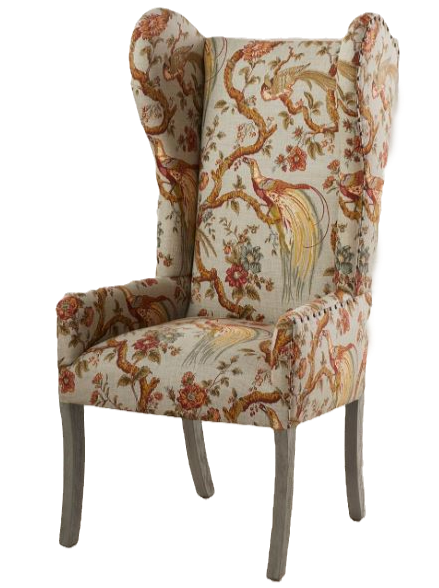
A Modern Take on Dark Academia
Modern dark academia doesn't abandon the color, it just edits everything down around it. Fewer competing details layered on top, and a handful of pieces reimagined rather than recreated exactly as they'd have looked a century ago.
The bedroom pictured here starts with a single charcoal tone carried across the walls, the tufted headboard, and the bedding itself, essentially color drenching without the color. That monochrome base is what lets everything else in the room read as intentional rather than busy. Against it, one accent color does the remaining work. A deep rust and burnt orange shows up in the chandelier, the artwork, and the chair, repeated just often enough to feel deliberate rather than scattered.
The furniture carries that same modern reinterpretation forward. Instead of a traditional chesterfield, a tufted swivel chair in that same rust velvet nods to the same upholstered tradition without copying it outright. The chandelier does something similar. Its cascading glass globes borrow the drama and scale of a classic crystal fixture, but in a shape that reads as sculptural and a little whimsical rather than strictly period correct.

Even the artwork plays into it, a still life of pomegranate wedges standing in for the oil paintings that would usually anchor a more traditional gallery wall.
The whole room leans close to minimalist in its restraint, one background tone, one accent color, a handful of pieces rather than dozens, without losing the warmth that makes dark academia feel lived in. It's less about recreating an old library and more about borrowing its mood and translating it into something that reads as current.
Shop The Look


The Scholarly Library
A dedicated library remains one of the purest and most complete expressions of this aesthetic, and it is often the room homeowners picture first when they think of dark academia. Floor to ceiling built in shelving does the most visual work here, especially when filled with a genuine mix of leather bound and cloth bound books rather than a uniformly matched set. A rolling ladder adds both function and atmosphere in a taller room, and it has become something of a signature feature of this look on its own.
Lighting deserves particular attention in a library. Warm picture lights mounted just above the shelving cast a soft glow across the book spines without the harshness of overhead recessed lighting, and they tend to make the whole wall feel like a gallery in its own right.
A well worn leather chesterfield sofa or a deep club chair gives the room somewhere to actually sit and read, the kind of familiar, broken in seating made for curling up with a blanket on a cold, rainy afternoon. This is a room built for slow hours, working through a quiet game of chess or losing an afternoon to a good book while the weather does its worst outside.
Brass hardware throughout, on the ladder, the shelving pulls, and any picture lights, ties the room together, and a fireplace, where the layout allows for one, rounds out the feeling completely. Even without a fireplace, a library built around these core elements, layered shelving, warm lighting, comfortable seating, and brass accents, will read as authentically dark academia.
Shop The Look





Built-In's and the Reading Nook
Not every home has the ceiling height or square footage for the kind of sprawling, ladder equipped library covered above, and that's fine. This is where interior architecture can do some heavy lifting. Using built-ins opens up a lot of creative options for scaling down, and in a lot of ways, this smaller version ends up feeling like the more realistic, more modern take on the same idea. Bookcases and other built-ins are already one of the most distinct features running through dark academia spaces, and this is just that same feature doing more work in less square footage.


Say you're adding bookcases to a home office, or a landing, or a corner of a bedroom, and there just isn't room for a full sofa and chair grouping. A built in banquette seating niche, worked directly into that bookcase wall, is a great solution. It gives you the comfort and warmth of a proper seating spot in a compact footprint, and it multitasks in a way a standalone sofa can't. Storage can even be built into the base of the bench itself, so the whole niche is doing double duty as both a place to sit and a place to keep the things a home office or reading corner tends to accumulate.
The niche pictured here layers in a few more dark academia specific details on top of that basic structure. The deep, tufted velvet banquette cushions offer a cozy comfortable space to curl up with a good book and above that we used a statement paisley wallcovering as a feature instead of a traditionally piece of art, and then there is the delicate whimsical chandelier that again offers a modern take on a traditional element. The whole space is drenched in black and warmly lit accomplishing a fresh take on dark academia.
The Home Office
A home office is one of the most natural places to bring in the built-in bookcases that run through so much of this look. Beyond just holding books, these shelves can expand to handle storage and function directly behind the desk, doing double duty as both display and workspace support. To make the whole wall feel fully integrated, perhaps carry the crown detail around the room, or continue an element of the millwork onto the surrounding walls so the bookcase reads as part of the architecture rather than a separate piece of furniture. Whatever dark color you land on, in paint or in stain, carry it through the entire space, including the ceiling, to get the full effect.
This is also a great place to bring in antique furnishings, and the desk is where to spend that effort. Look for a feature piece that can act as the centerpiece of the room, something with leather panel inlays or nailhead detailing that ties directly back to the aesthetic.
From there, layer in the secondary elements. A unique reading lamp or a vintage desk chair both add period character, though new pieces designed specifically with this look in mind work just as well if the antique route isn't practical. And don't forget the books. Shelves without them will never read as convincing, however good the millwork is.
In the space pictured here, the dark green backdrop pairs naturally with brass, while the black leather of the desk chair adds a contrasting color note against all that green and wood tone. The onyx look of the lamp shade brings in yet another material to the mix. A vintage or antique style Persian rug underfoot would ground the whole room further, and a pair of mohair guest chairs, or even a small chaise, would give the space somewhere to nap or read quietly outside of work hours.

Shop The Look
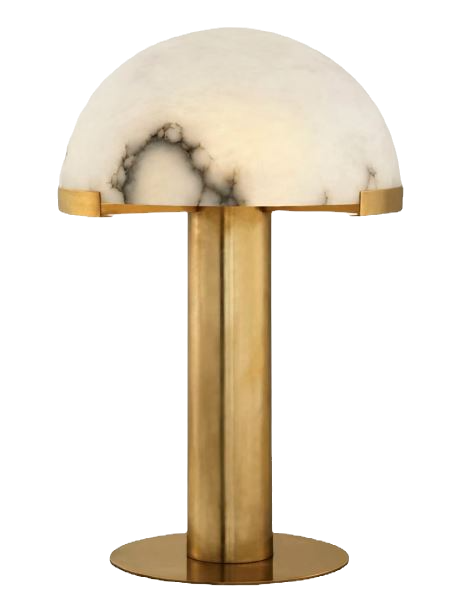


The Candlelit Study and Writing Desk
A writing desk vignette captures the intellectual, old world side of dark academia particularly well, and it tends to be one of the more approachable ways to bring the aesthetic into a home, since it doesn't require a full room renovation. An antique or vintage style desk anchors the look, and a brass banker's lamp beside it provides both function and atmosphere at once. A stack of leather bound books, a scroll of paper, or a fountain pen resting across an open notebook all add small, specific details that reinforce the mood without much added cost.
Candlesticks bring genuine warmth to this vignette, and a pair flanking the desk or positioned just behind it adds both light and a bit of visual height. And a desk chair with some age or character, whether a worn leather wingback or a simple wooden chair with a leather seat, completes the look.
This concept can be incorporated into a full home office, sit as a feature in its own stand alone nook or as an added element to a common area or even bedroom.
Shop The Look


The Kitchen
Kitchens are not the room most people associate with dark academia, which is exactly what makes them a compelling and increasingly popular place to introduce the aesthetic, since so few homeowners have seen it done well here. Rich wood cabinetry, in a deep stain rather than the lighter woods that dominate most modern kitchens, sets the tone immediately. A dark stone countertop, whether a deep marble or granite, continues that same rich material language across a large surface in the room and can even act as a statement feature material.

Warm metal fixtures do a lot of the remaining work. An aged brass or copper range hood, in particular, tends to become the visual centerpiece of a dark academia kitchen, and it pairs beautifully with matching brass hardware on the surrounding cabinetry. A coffered or beamed ceiling, where the architecture allows for it, adds weight and detail overhead that a flat ceiling can't provide, and it echoes the same architectural language found in a dark academia library or study.
Glass front cabinets offer a useful opportunity to extend the layered, collected feeling into a kitchen without sacrificing any storage function. Filling a portion of these cabinets with books, glassware, and a few collected objects, alongside the dishware that would normally live there, keeps the room from feeling purely utilitarian, and it ties the kitchen visually back to the rest of a dark academia home.
The Bathroom
Like the kitchen, a bathroom is an unexpected but genuinely effective place for this aesthetic, and it is often easier to commit to fully here rather than in a larger living space. Bold dark colors and wallcoverings work well in small spaces and offer a lot of design bang for your buck. Dark tile, whether a deep peacock blue (as seen here), charcoal, burgundy, or true black, immediately sets a jewel box quality that few bathrooms achieve with more conventional light and neutral tile choices.
Brass or gold fixtures continue the material language from the rest of the home, and they read particularly well against dark tile, where the warm metal tone provides genuine contrast rather than blending into a lighter surrounding palette. A vintage style vanity mirror, in an ornate gilded frame rather than a plain modern one, brings the same gallery wall sensibility from elsewhere in the home into a much smaller space.
Lighting is worth particular attention in a dark bathroom. A small chandelier or a pair of wall mounted sconces flanking the mirror add real warmth that overhead recessed lighting alone can't provide, and they help a dark tiled bathroom feel warm and cozy. A few plants or a small stack of books on open shelving, bring in the colected elements and round out the layered feeling found throughout the rest of a dark academia home.


Light Academia, Dark Academia's Lighter Sibling
Light academia sits right alongside dark academia in mood, but trades nearly everything about its palette. The two share the same academic inspiration, Oxford and Cambridge quads, old libraries, a genuine love of literature and learning, and grew out of much the same online moment. Part of light academia's rise came directly from people drawn to that same scholarly mood who found the deep, saturated dark academia palette a little heavy to actually live with day to day.
The materials carry over almost entirely. Vintage furniture, antique writing desks, gilded picture frames, and plenty of books all show up here the same way they do in a dark academia space. What changes is the color and the light. Cream, beige, and soft pastels replace
oxblood and forest green, oak and other light woods replace dark stained furniture, and rooms lean on large windows and sheer or linen curtains rather than heavy drapery, letting daylight fill the space instead of candlelight and lamps carrying the mood.
The desk space pictured here shows that difference clearly. Soft linen drapery lets daylight pour across the desk rather than blocking it, and the room still carries the same bones covered throughout this piece: a vintage desk, an old typewriter, dried flowers standing in for a fresh arrangement, and a small cluster of framed art nearby. It's the same collected, scholarly feeling, just built around sunlight instead of a candle.
Shop The Look


Collected objects and accessories
The final layer is often the one that makes a room feel genuinely finished rather than simply well decorated. Globes, vintage clocks, glass inkwells, magnifying glasses, and stacks of leather bound books all reinforce the intellectual, well traveled feeling at the heart of this aesthetic, and they tend to matter more than any single piece of furniture in making a room feel authentically collected rather than purchased all at once.

A single candle in a brass holder, a rolled map or scroll resting against a stack of books, and a quill or fountain pen positioned across an open notebook all add small, specific details that photograph well and give a room genuine personality. These objects work best arranged in tight, deliberate clusters (often in groups of 3) rather than spread evenly around a room. A tightly styled vignette on a single shelf or side table reads as intentional in a way that a scattering of individual objects across an entire room simply does not.
Secondhand shops, estate sales, and antique markets tend to be far better sources for these objects than any home goods retailer, both for authenticity and for the sense of variation that comes from gathering pieces one at a time rather than buying a matched decorative set. A home filled entirely with newly purchased objects, however well chosen, will rarely read as convincingly collected as one built gradually from a handful of secondhand finds, however here are a handful of suggestions as a starting point.
Shop The Look



Closing Thoughts:
Dark academia has staying power because it is built around genuine comfort and material depth rather than a passing color trend. Whether a homeowner commits fully with color drenched walls and a dedicated library, or brings the mood in gradually through a gallery wall, a few key pieces of furniture, and warmer lighting throughout, the aesthetic adapts well to nearly any home and any budget. The details throughout this guide, from the historical roots of the style to the smallest collected objects on a single shelf, all work together toward the same feeling: a room that looks lived in, well read, and quietly luxurious.
Love this style but not sure how to incorporate it into your home? That’s where we come in. For in-depth interior design services, see our note below and visit our Service Page for more information.
Shop More Dark Academia Furnishing & Décor Finds


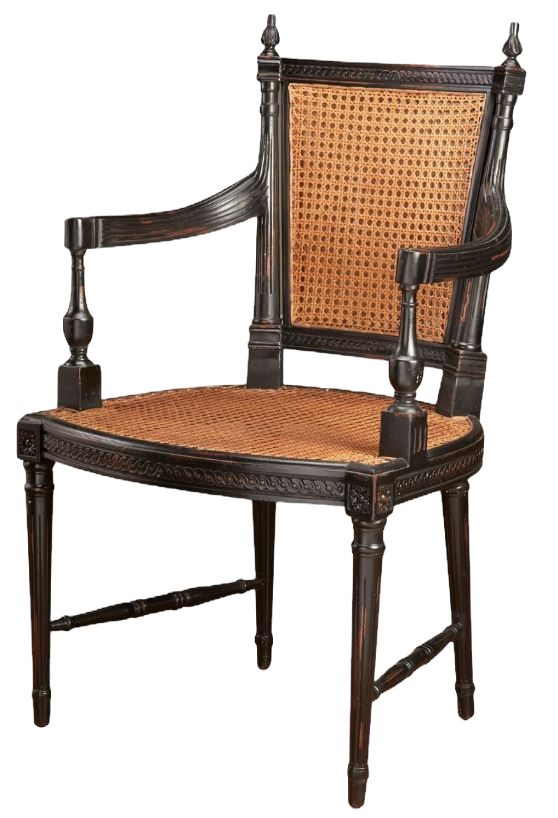


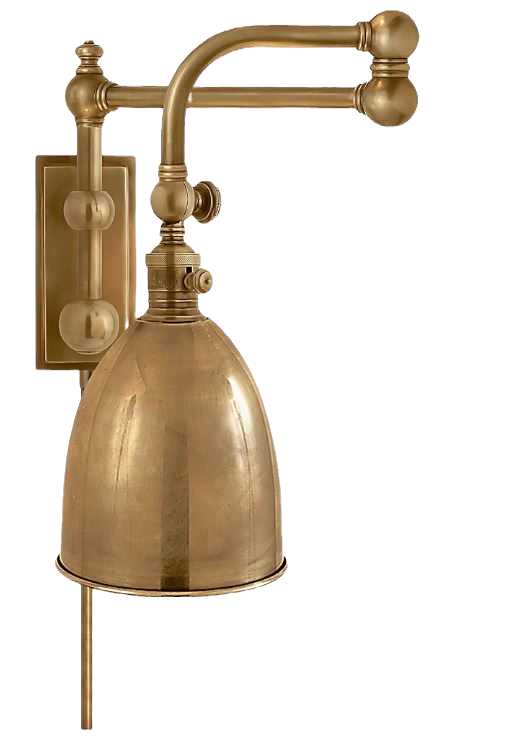





_edited.png)


_edited.png)


